

Training your dog can be both a mammoth challenge and a significant joy. The method you choose to train your pet shapes not only their learning but also their behavior and future interactions. Among various techniques, positive reinforcement stands out as a particularly effective and humane method of dog training. This strategy focuses on rewarding desired behaviors, which encourages the dog to repeat them.
In this guide, we delve deep into the nuances of positive reinforcement training. We’ll cover what it is, why it works, and how you can effectively apply this method to help your dog learn new behaviors or unlearn unwanted ones. Whether you’re a first-time dog owner or looking to switch up your training techniques, this guide will equip you with essential insights and practical tips.
Understanding Positive Reinforcement
Positive reinforcement involves giving your dog some form of reward (like treats, praise, or play) immediately after they show a desirable behavior. By doing this, the dog associates the behavior with positive outcomes, making it more likely they will repeat it in the future. For example, rewarding your dog with a treat for sitting on command encourages them to repeat this action. This technique is not only about giving treats but also about gaining the trust and respect of your furry friend. Explore more about this rewarding methodology at https://techbullion.com/the-importance-of-positive-reinforcement-in-dog-training/.
It’s crucial to understand timing in issuing rewards. If there is too long a delay between the desired behavior and the reward, the dog might not associate the two events properly which can slow down learning. Therefore, immediate feedback is pivotal in this type of training.
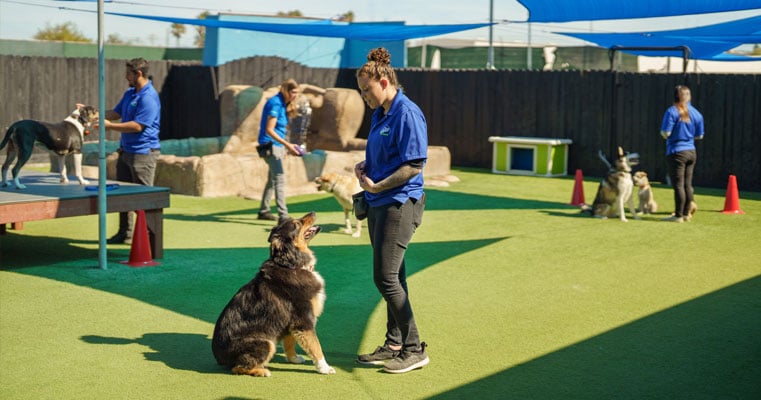
Choosing the Right Rewards
The effectiveness of positive reinforcement training largely depends on the rewards used. Every dog has different preferences. Some might be motivated by treats, others by toys, or even verbal praises and physical affection. Identifying what makes your dog most excited will help you achieve better results. It’s key to vary rewards to maintain interest and prevent treat saturation.
Additionally, the size and frequency of rewards should reflect the complexity of the task performed. For more complex behaviors or commands that your dog struggles with, higher value rewards might be necessary to truly encourage learning and repetition.
Consistency is Key
A consistent approach in training sessions is critical when using positive reinforcement methods. Consistency means using the same commands for specific actions and rewarding the behavior every time it occurs during training sessions. This helps establish clear communication between you and your dog.
Beyond individual training sessions, applying principles of positive reinforcement in daily life with your pet reinforces these behaviors continually. This could include rewarding your dog for calmly sitting by your side while guests arrive or for patiently waiting for food without jumping up.
Reducing Unwanted Behaviors
Positive reinforcement isn’t just about encouraging good habits—properly applied, it’s also a powerful tool for reducing unwanted behaviors without negative consequences for the dog. Instead of punishing undesirable actions, focus on reinforcing an alternative acceptable behavior.
For instance, if a dog jumps to greet people, instead of scolding them, one could train them to sit for greetings by rewarding that behavior consistently when they meet new people. This approach not only avoids negative repercussions but also helps strengthen the bond between you and your pet by allowing them to associate training times with positivity and success.
Cultivating a Lifelong Learner
The ultimate goal of positive reinforcement is to foster an environment where continuous learning is encouraged and embraced by both pet and owner. By integrating these practices into regular interactions with your dog, you continually promote and reinforce learning new skills.
This method not only teaches specific behaviors but fundamentally helps cultivate a religious bond over time that enriches both lives—making every interplay within day-to-day activities a part of ongoing training and bonding experiences.
In conclusion, positive reinforcement forms a powerful way to manage and improve your dog’s behavior effectively while strengthening your relationship with them. It prioritizes mutual trust and respect over fear or dominance strategies that can harm psychological wellbeing.
As you reinforce good behaviors and join in celebrating small victories every day, remember always that patience remains vital—it ensures your journey in raising a well-behaved companion proceeds smoothly and joyfully.